

How to Help Your Dog Become Confident, Friendly & Stress-Free
Socialization is one of the most important gifts you can give your dog. It teaches them how to feel safe around new people, animals, sounds, and environments — reducing fear, frustration, and behavior problems later on.
Whether you have a brand-new puppy or an adult rescue, it’s never too late to help them feel more confident in the world around them.
🌎 What Is Socialization — and Why Is It Important?
Socialization means positive, controlled exposure to everyday experiences your dog will encounter throughout life.
Good socialization helps dogs:
- Feel calm in new environments
- Build confidence
- Reduce fear, reactivity, or anxiety
- Improve communication with humans & other dogs
- Adapt to change more easily
- Become well-mannered companions
A well-socialized dog is a happier, safer dog — and training becomes much easier.
🐶 Socialization for Puppies (8–16 Weeks Is the “Golden Window”)
Puppies learn extremely fast during their early weeks. The goal is gentle exposure, not overwhelming experiences.
✔ Puppy Socialization Checklist
Introduce your puppy to:
- Friendly people of all ages
- Calm, vaccinated dogs
- Common sounds (cars, vacuum, doorbell)
- Different surfaces (grass, tile, sand)
- Car rides
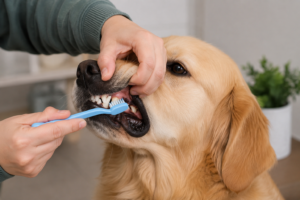
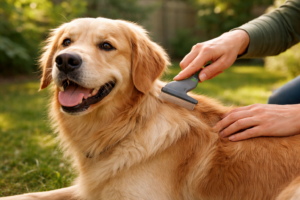
- Being gently handled (ears, paws, tail)
- Everyday objects (hats, umbrellas, strollers)
Puppy Socialization Rules
- Keep sessions short
- Reward curiosity
- Stop if your puppy seems stressed
- Never force interactions
Tip: Pair every new experience with treats, praise, or play.
🐕 Socialization for Adult Dogs
Adult dogs can be socialized — but go slower and more intentionally.
For adult rescues or shy dogs:
Start with:
- Distance from triggers
- Quiet environments
- One calm dog at a time
- Controlled greetings
- Short outings to new places
Watch for signs of comfort:
- Relaxed body
- Soft eyes
- Approaching something on their own
And signs it’s too much:
- Pulling away
- Tucked tail
- Lip licking or yawning
- Growling or freezing
If you see stress signals, increase distance and go slower.
🐕🦺 How to Introduce Your Dog to New Dogs (The Right Way)
Dog-to-dog greetings should feel calm and controlled.
Steps:
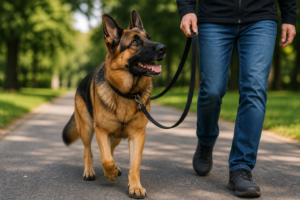
- Start with parallel walking — dogs walk side by side, not face-to-face
- Keep leashes loose
- Allow brief sniffing (no more than 3 seconds at first)
- Separate, praise, repeat
- If both dogs are relaxed, extend interaction time
Avoid tight leash greetings, as they can create tension.
👨👩👧 Meeting New People
Help your dog learn that strangers = good things.
Try this:
- Let your dog approach at their own pace
- Ask people not to reach over your dog’s head
- Reward your dog for calm behavior
- Encourage people to offer a treat from an open palm
Never force contact — choice builds confidence.
🎧 Exposure to New Sights, Sounds & Environments
A confident dog succeeds anywhere.
Practice in:
- Sidewalks
- Parks
- Vet waiting rooms
- Pet-friendly stores
- Quiet patios
Introduce sounds gradually:
- Kids playing
- Cars
- Bicycles
- Sirens (on low volume at first)
Reward calm responses, and end sessions on a positive note.
🧠 Socialization Through Enrichment
Mental stimulation helps dogs feel more secure and adaptable.
Try:
- Puzzle feeders
- Sniffing games
- Training short commands in new environments
- Nose-work exercises
- Slow, calm exposure walks
A mentally enriched dog is a confident dog.
⚠️ Mistakes to Avoid
To keep socialization positive:
- Don’t overwhelm your dog with crowded places
- Don’t force greetings
- Don’t correct your dog for showing fear (it increases anxiety)
- Don’t allow interactions with aggressive or overly excited dogs
- Don’t push too fast — slow progress lasts longer
❤️ Final Thoughts
Socialization isn’t about creating a “perfect dog” — it’s about helping your dog feel safe, confident, and understood.
With gentle exposure, patience, and lots of encouragement, your dog will learn to navigate the world happily and securely.
A well-socialized dog is calmer, friendlier, and more connected to you — and that’s what matters most. 🐾
If you’d like help reading how your dog feels in new situations, our dog body language guide walks you through the most common stress and comfort signals. And if your dog struggles with being left alone as well as meeting new people, you can pair this with our separation anxiety in dogs guide to build a calmer, more confident companion over time.
The Dog Care Hub Editorial Team
The Dog Care Hub Editorial Team is a group of passionate dog lovers focused on making everyday dog care simple and beginner-friendly. We combine real-life experience with information from trusted veterinary sources to create clear, gentle guidance for new and experienced dog owners. Every article is reviewed for accuracy, safety, and ease of understanding so you can feel more confident caring for your dog.
🎁 Want the Calm Start Starter Pack (Free PDF)?
Get the free download in one click.
👉 Want to support the site? Shop our Dog Care Hub merch (hoodies, mugs, and more).