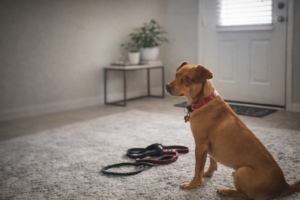


One of the first things new dog owners ask their vet is: “What shots does my dog actually need — and when?”
It’s a great question. And it can feel confusing at first, especially when you’re already juggling feeding schedules, potty training, and a very excited new dog at home.
This guide breaks down the full dog vaccine schedule in plain language — covering puppies, adult dogs, and senior dogs. You’ll learn which vaccines are considered essential, which depend on your dog’s lifestyle, and what to expect on vet visit day.
⚠️ Important note: This guide is for educational purposes only. Your veterinarian will create a personalized vaccination plan based on your individual dog’s age, health history, lifestyle, and local disease risks. Always follow your vet’s specific recommendations.
🐶 Why Vaccines Matter for Your Dog
Vaccines work by introducing a harmless version of a disease-causing agent to your dog’s immune system. This teaches the body how to recognize and fight that disease if it ever encounters it for real.
According to the American Veterinary Medical Association (AVMA), vaccines protect dogs from many serious infectious diseases — and they’re especially critical for puppies, whose immune systems are still developing in the early weeks of life.
Beyond protecting your own dog, keeping vaccinations current also helps protect other dogs in your community — particularly those who are too young, too old, or too unwell to be vaccinated themselves. 🐾
💉 Core Vaccines vs. Non-Core Vaccines: What’s the Difference?
All dog vaccines fall into one of two categories. Understanding the difference makes the whole schedule a lot easier to follow.
✅ Core Vaccines
Core vaccines are recommended for every dog, regardless of where they live or how they spend their time. The diseases they protect against are widespread, serious, and in some cases fatal — or transmissible to humans.
According to the AVMA and the American Animal Hospital Association (AAHA), the core vaccines for dogs are:
- 🛡️ DHPP — a combination vaccine covering Distemper, Hepatitis (Adenovirus), Parvovirus, and Parainfluenza. You may also see it written as DA2PP, DAPP, or DHLPP depending on what’s included.
- 🛡️ Rabies — required by law in most U.S. states and many countries. Fatal once symptoms appear, and transmissible to humans.
- 🛡️ Leptospirosis — a bacterial infection also transmissible to humans. The AAHA updated its guidelines in 2024 to recommend this for all dogs, not just those in high-risk areas.
📋 Non-Core Vaccines
Non-core vaccines are optional — recommended based on your dog’s environment, habits, and local disease risks. Your vet will help you decide which ones make sense for your specific dog.
- 🐾 Bordetella (Kennel Cough) — often required for dogs that visit boarding facilities, grooming salons, dog parks, or training classes.
- 🐾 Canine Influenza (Dog Flu) — recommended for dogs that frequently socialize with other dogs.
- 🐾 Lyme Disease — recommended for dogs in tick-heavy regions or those who spend time in wooded or grassy outdoor areas.
🐕 Puppy Vaccine Schedule (6 Weeks to 16+ Weeks)
Puppies are especially vulnerable to disease. Their immune systems are still developing, and the antibodies passed through their mother’s milk begin to fade in the early weeks of life — leaving a window where vaccine protection needs to step in.
The AVMA recommends starting the puppy vaccine series at 6 to 8 weeks of age, with follow-up doses given every 2 to 4 weeks until your puppy is at least 16 weeks old. Some puppies in high-risk environments may benefit from an additional dose at 18–20 weeks.
Here is a typical puppy vaccination schedule based on AVMA and AAHA guidelines:
| 📅 Age | 💉 Vaccines Typically Given |
|---|---|
| 6 – 8 weeks | DHPP (first dose) |
| 10 – 12 weeks | DHPP (second dose), Leptospirosis (first dose) |
| 14 – 16 weeks | DHPP (third dose), Rabies (first dose), Leptospirosis (second dose) |
| 12 – 16 months | DHPP booster, Rabies booster, Leptospirosis booster |
This is a general example. Your vet will adjust the schedule based on your puppy’s specific situation. 🐾
🤔 Why Does My Puppy Need So Many Shots?
It’s one of the most common questions new owners have — and it makes total sense to wonder!
The reason puppies need a series of doses (rather than one single shot) comes down to maternally derived antibodies (MDAs) — the protective antibodies passed from mother to puppy through milk. These are helpful early on, but they also interfere with vaccines, blocking the immune system from fully responding.
Because MDA levels fade at different rates in different puppies, vets give multiple doses on a schedule to make sure at least one lands at the right window — when maternal protection has faded just enough for the vaccine to take effect properly. 💡
🌳 Can My Puppy Go Outside Before All Vaccines Are Done?
Yes — puppies can go outside after their first shots, but they should be kept away from unvaccinated dogs and high-traffic dog areas until their full series is complete. Your vet can advise on safe outdoor and socialization options while your puppy’s immunity is still building. 🐕🦺
If you’re working on socialization alongside the vaccine schedule, this guide can help:
➡️ Socialization Basics for Puppies & Adult Dogs
🦴 Adult Dog Vaccine Schedule (1 Year and Older)
Once your dog completes their puppy series, they move to an adult booster schedule. Immunity doesn’t last forever — regular boosters help keep your dog protected year after year.
| 💉 Vaccine | 📅 Booster Frequency |
|---|---|
| DHPP | Booster at 1 year, then every 3 years for most dogs |
| Rabies | Booster 1 year after first dose, then every 1 or 3 years depending on vaccine type and local laws |
| Leptospirosis | Annual booster |
| Bordetella | Every 6 to 12 months for dogs with regular exposure to other dogs |
Your annual wellness visit is also a great opportunity for your vet to review whether any lifestyle changes — a new dog park, boarding trips, or time in wooded areas — call for additional protection. 🩺
🐾 Senior Dog Vaccines (7 Years and Older)
Older dogs still need their core vaccines. While a senior dog has some immune memory built up over the years, the immune system can weaken with age — making continued protection just as important as ever.
For senior dogs, your vet may:
- ✅ Continue core vaccines on the standard schedule
- 🩸 Recommend a titer test — a blood test that measures existing antibody levels — to help decide whether a booster is truly needed
- ❤️ Adjust the schedule based on any chronic health conditions your dog has
The key is keeping an open conversation with your vet about your dog’s overall health as they age. Their needs at 8 years old may look a little different than they did at 3. 🐶
🏥 What to Expect on Vaccine Day
Most dogs handle vaccinations just fine. Knowing what’s normal ahead of time can save you a lot of worry when you get home.
😴 Normal, Mild Reactions (Usually Resolve Within 24–48 Hours)
- 💤 Lethargy or low energy — the most common reaction. Your dog may seem a little “off” or want to sleep more than usual. This is the immune system doing its job.
- 🌡️ Mild fever — a slight temperature rise is a normal immune response.
- 🐾 Soreness at the injection site — your dog may flinch when touched near the area. This is temporary and usually gone within a day or two.
- 🔵 Small firm bump at the injection site — common and usually fades within a couple of weeks. Keep an eye on it for any growth, redness, or discharge.
- 🍽️ Reduced appetite — normal if your dog isn’t very interested in food for a day or so.
- 🤧 Mild sneezing or runny nose — expected if your dog received the intranasal Bordetella vaccine. Should clear up in a day or two.
🚨 Signs That Need Immediate Veterinary Attention
Severe reactions are rare, but they do happen. Contact your vet or an emergency clinic straight away if you notice any of the following after a vaccine appointment:
- ⚠️ Facial swelling or hives
- ⚠️ Vomiting or diarrhea
- ⚠️ Difficulty breathing
- ⚠️ Extreme weakness or collapse
- ⚠️ Pale gums
Anaphylaxis (a severe allergic reaction) typically occurs within minutes to a few hours of vaccination. If you have a smaller or more sensitive breed — such as a Dachshund, Pug, Chihuahua, or Boston Terrier — let your vet know ahead of time. They may suggest spacing vaccines across separate visits to reduce the risk. 🐩
📂 Keeping Track of Your Dog’s Vaccination Records
Your vet will provide a vaccination record after each visit — keep it somewhere safe! You’ll need it for:
- 🏨 Boarding facilities and doggy daycare
- ✂️ Grooming appointments
- 🌳 Dog parks (many require proof of rabies vaccination at the gate)
- ✈️ Travel, especially across state lines or internationally
- 🏥 Emergency vet visits where your dog’s history is unknown
Some vets offer digital records through a patient portal or app — worth asking about at your next visit! 📱
❓ Frequently Asked Questions
🐶 What if I adopted an adult dog with an unknown vaccine history?
Your vet will either restart a basic vaccination series or use a titer test to check existing antibody levels before recommending next steps. Either way, booking a vet visit as soon as possible after adoption is always the right first move.
➡️ How to Introduce a New Dog to Your Home Without Stress
⚖️ Are vaccines legally required?
In most U.S. states, the rabies vaccine is required by law. Other vaccines are not legally mandated but are strongly recommended by veterinary organizations. Requirements vary by location, so it’s worth checking your local regulations.
🏠 Can I skip vaccines if my dog stays indoors?
Core vaccines are still recommended even for indoor dogs. Some diseases — like parvovirus — can be carried into the home on shoes or clothing with no direct dog contact needed. Your vet can help you weigh up the risk level for your specific situation.
🩸 What is a titer test?
A titer test is a blood test that measures the level of antibodies your dog currently has against specific diseases. It can help you and your vet decide whether a booster is actually needed, rather than vaccinating purely based on the calendar. Especially useful for senior dogs or those with existing health conditions.
😟 My puppy missed a scheduled vaccine appointment. What now?
Don’t panic — contact your vet and reschedule as soon as possible. They’ll create a revised plan to get your puppy back on track. Your puppy won’t be fully protected until the series is complete, so rescheduling promptly really does matter. 🐾
📋 Quick Summary: Dog Vaccine Schedule at a Glance
| 🐾 Life Stage | 💉 Key Vaccines | 📅 Frequency |
|---|---|---|
| Puppy (6 – 16+ weeks) | DHPP series, Rabies, Leptospirosis | Every 2 – 4 weeks until 16+ weeks old |
| Young Adult (1 year) | DHPP booster, Rabies booster, Leptospirosis booster | Once, approximately 12 months after puppy series |
| Adult Dog | DHPP, Rabies, Leptospirosis + lifestyle vaccines | DHPP every 3 years; Rabies every 1–3 years; Lepto annually |
| Senior Dog (7+) | Core vaccines, adjusted as needed | Discuss with vet; titer tests may guide decisions |
💛 Final Thoughts
Vaccinations are one of the most straightforward and impactful things you can do for your dog’s long-term health. The schedule may look like a lot at first — but once your puppy completes their initial series, it simply becomes a natural part of your annual vet visit routine.
The most important step? Book that first vet appointment early — ideally within the first week of bringing your puppy home, or right away if you’ve adopted an adult dog. From there, your vet will guide you through exactly what your specific dog needs. 🐕
Want to keep learning about keeping your dog healthy and happy? Here are some guides to explore next:
➡️ Dog Anxiety Signs & Calming Solutions That Actually Work — spot the signs early and know what actually helps
➡️ Flea & Tick Prevention for Dogs: A Complete Beginner’s Guide — the right prevention routine for every dog
➡️ How to Prevent Separation Anxiety in Dogs — early signs and what actually helps
⚠️ Disclaimer: The information on The Dog Care Hub is for educational purposes only and should not be considered a substitute for professional veterinary advice. Always consult a licensed veterinarian for questions about your dog’s health, vaccines, or medical needs.
The Dog Care Hub Editorial Team
The Dog Care Hub Editorial Team is a group of passionate dog lovers focused on making everyday dog care simple and beginner-friendly. We combine real-life experience with information from trusted veterinary sources to create clear, gentle guidance for new and experienced dog owners. Every article is reviewed for accuracy, safety, and ease of understanding so you can feel more confident caring for your dog.
🎁 Want the Calm Start Starter Pack (Free PDF)?
Get the free download in one click.
🧡 Want to support the site? Shop our Dog Care Hub merch (hoodies, mugs, and more).