
“Easy, practical feeding tips to help your Dog stay healthy, energized, and confident every day.”
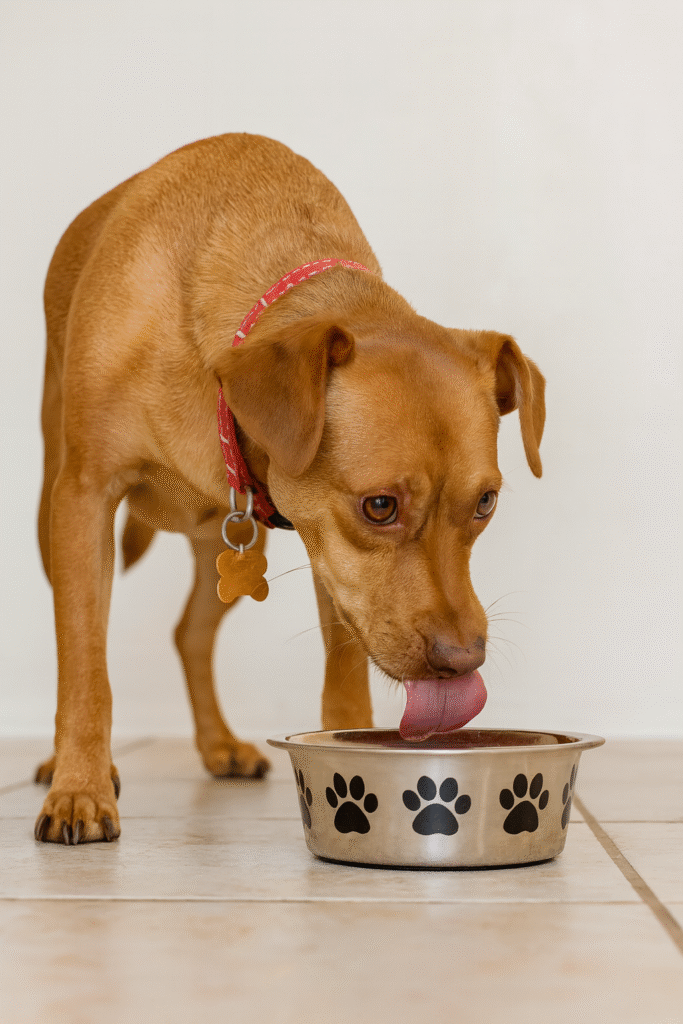
Feeding your dog doesn’t have to be confusing. With a few easy habits, you can help your dog stay healthy, energized, and comfortable every single day. This guide breaks down what new dog owners should know — without complicated diets or overwhelming details.
Affiliate Disclosure: Some links on this page are Amazon affiliate links. As an Amazon Associate I earn from qualifying purchases. This comes at no extra cost to you. We only recommend products we would use for our own dogs.
🥩Understanding Your Dog’s Nutritional Needs
Every dog needs a balanced diet that gives them the right mix of:
- Proteins for muscle health and energy
- Healthy fats for skin, coat, and brain function
- Carbohydrates for steady energy
- Vitamins and minerals for immune support
- Fresh water for hydration and overall health
You don’t need expert-level knowledge — just simple, consistent choices that support your dog’s well-being.
🍗Choosing the Right Food
Not all dog foods are the same, but you can make confident choices by keeping these basics in mind:
Look for:
- Real meat as one of the first ingredients
- Clear ingredient lists (not long chemical names)
- Foods appropriate for your dog’s age, size, and activity level
🚫Avoid:
- Foods with excessive fillers
- Artificial colors
- Excessively fatty table scraps
Examples:
- Cornmeal or corn gluten meal listed as the first ingredient
- Soybean hulls or soy flour
- Wheat middlings
- Rice bran used as the main ingredient
If your dog has allergies or sensitivities, a vet can guide you toward safe, suitable options.
Artificial Colors (to avoid in dog foods)
Artificial dyes don’t benefit dogs and can trigger allergies or digestive problems.
Examples:
- Red 40
- Yellow 5 and Yellow 6
- Blue 1
- Caramel color (artificial type)
Excessively Fatty Table Scraps
These can cause stomach upset and even pancreatitis in dogs.
Examples:
- Greasy meat trimmings from steak or pork
- Skin and fat from fried chicken
- Bacon grease or leftover cooking oil
- Butter-covered foods (like leftover mashed potatoes)
🍽️Daily Feeding Tips
A few simple habits can make mealtime easier and healthier:
- Feed at consistent times each day
- Use measuring cups to avoid overfeeding
- Keep treats under 10% of your dog’s daily calories
- Provide clean, fresh water at all times
- Adjust food amounts if your dog gains or loses weight
Small adjustments go a long way in keeping your dog comfortable and at a healthy weight.
🛒 Recommended Storage: Gamma2 Vittles Vault Pet Food Storage Container (50 lb)
If you buy kibble in big bags, a good storage container makes a huge difference. This Gamma2 Vittles Vault keeps food fresher for longer and helps protect it from pests, spills, and curious noses.
Why we like it
- Holds up to 50 lb of dry food (capacity varies a bit depending on kibble shape and size).
- Gasketed, screw-on lid helps lock in freshness and reduce odors compared to regular flip-top bins.
- Helps keep pests out – the sealed design is much harder for ants, rodents, and bugs to get into.
- Made from food-grade, BPA-free plastic (HDPE) that’s designed for long-term use.
- Space-efficient shape that’s easier to tuck in a pantry, closet, or laundry room than a floppy bag of food.
- Made in the USA by a company that specializes in pet food storage.
Important notes (please read before you buy)
- Not a great choice for exposed outdoor storage. Some low-star reviews mention moisture getting in when the container is left outside in the rain or in very humid climates. We recommend keeping it indoors or in a covered, climate-controlled area.
- Capacity depends on kibble size. Many people can fit a full 50-lb bag, but extra-large kibble may take up more space. If you’re right on the edge, consider going up a size or being okay with a small amount left in the original bag.
- Check the seal and lid as soon as it arrives. A small number of reviewers report warped lids or hairline cracks that prevent a perfect seal. Inspect it when you unbox it—if anything looks damaged or the lid won’t screw on smoothly, request a replacement right away.
- Handle the lid gently. The screw-top ring is sturdy for normal use, but repeated rough handling (dropping, overtightening, or using it as a seat/step) can shorten its lifespan.
Used correctly, this container is a practical, long-lasting way to keep your dog’s food fresher, better protected, and easier to manage day to day.
👉 Check the current price of the Gamma2 Vittles Vault Pet Food Storage Container on Amazon here.
Recommended Measuring Scoop: Stainless Steel Pet Food Scoop with Measuring Lines (¾ Cup / 6 oz)
If you’ve ever “eyeballed” your dog’s kibble and wondered if you’re over-feeding, this scoop makes life way easier. It measures out consistent portions so you can stick to your dog’s daily calorie needs without dragging out a full measuring-cup set every time.
Why we like this scoop for everyday feeding
- Built for daily use – Made from thick 304 stainless steel (no flimsy plastic), so it feels solid in your hand and holds up well in big food bins or storage containers.
- Engraved measuring lines – Marked for common portion sizes (¼, ½, ¾ cup), which helps you keep meals consistent from day to day instead of guessing.
- Comfortable, long handle – The long, rounded handle gives you good leverage, especially when scooping from deep food containers or big bags.
- Easy to clean – Smooth stainless surface rinses clean quickly and doesn’t hang onto grease or smells.
- Multi-purpose – Great for dog kibble, cat food, rice, or other dry foods you store in bulk.
Good to know
- The etched lines give you a good everyday estimate, but they’re not a lab-grade measuring cup. If your vet has put your dog on a very precise, gram-based diet, pair this scoop with a digital kitchen scale for the most accurate results.
- It’s metal, so don’t leave it where a heavy chewer could treat it like a toy. Store it in or near your food container between meals.
👉 Check current price of this stainless steel pet food scoop on Amazon.
🥣 Recommended Everyday Bowl: Stainless Steel Dog Bowls
For most dogs, a simple stainless-steel bowl is all you need for daily meals and water. I like these nonslip stainless steel bowls because they:
– Keep plastic away from your dog’s food and water
– Have a silicone base that helps stop the bowl from sliding on tile or wood floors
– Are easy to rinse and dishwasher safe for everyday use
– Come in a 2-pack, so you can use one for food and one for water
They’re a good everyday option for small to medium dogs. As with any bowl that has a nonslip base, it’s worth rinsing and drying them daily and occasionally cleaning around the silicone ring to keep everything fresh.
👉 Check the current price of these stainless-steel dog bowls here.
If your dog eats really fast or gulps food, consider a slow feeder
🐌(My Top Pick for Most Dogs who eats fast) Recommended Slow Feeder Bowl: Stainless Steel Slow Feeder for Fast Eaters
If your dog eats like it’s a race, a slow-feeder bowl can be a game-changer for digestion and weight control. I like this stainless-steel slow-feeder bowl because it combines a smart maze design with safer, more durable materials than typical plastic feeders.
Why I like this bowl
- Food-grade 304 stainless steel – No questionable coatings or plastic. It’s sturdy, rust-resistant, and much harder for chewers to damage than regular bowls.
- Flower-shaped maze to naturally slow eating – The raised “petal” design forces your dog to work around obstacles instead of inhaling food in a few giant gulps. For many dogs, that means fewer burps, less gas, and a lower risk of vomiting after meals.
- Good size for most small and medium dogs – The medium size holds up to about 2 cups of food, which fits the daily meals of a lot of pets on a sensible diet.
- Heavy and stable – The double-wall construction gives it nice weight, and the full-circle non-slip base helps keep the bowl from skating around the kitchen while your dog eats.
- Rounded, smooth edges – Designed so your dog’s tongue and nose glide over the surface instead of getting scraped on sharp plastic or ceramic edges.
- Easy to clean – Stainless steel doesn’t hang on to smells and rinses clean quickly. It’s safe to use with dry food, wet food, or a mix.
A few things to know before you buy
No slow-feeder is perfect for every dog, and I always want you to know the potential downsides:
- Not dramatic enough for the fastest gulpers – Some reviewers found that for extremely intense eaters, the grooves weren’t quite deep enough to slow them as much as they hoped. If your dog is a true vacuum, this bowl will likely help, but it may not turn meals into a 10-minute puzzle.
- Rubber base can wear over time – A small number of people report the non-slip ring loosening or peeling, especially with a lot of soaking or dishwasher use. To keep it in good shape, I’d hand-wash and avoid very hot cycles.
- Watch flat-faced or very sensitive dogs – Dogs with very short muzzles (like pugs or Frenchies) or those with sore gums can struggle with any maze-style feeder. Introduce it gradually and stop if your dog seems frustrated or if their nose looks irritated.
Overall, the reviews on this bowl are strong, and when people like it, they really notice better digestion and calmer mealtimes. The complaints are mostly about it not being slow enough for certain dogs or about the rubber ring wearing out—not about serious safety issues—so I feel comfortable recommending it with the notes above.
👉 Check the current price of the stainless-steel slow-feeder bowl here.
🧰 Helpful Feeding Tools Mentioned in This Guide
Here are the three tools I reach for most often when helping dogs stay on a healthy feeding routine:
• Airtight food storage container (50 lb) – Keeps kibble fresher for longer and helps protect it from pests, spills, and curious noses.
• Stainless steel measuring scoop (¼ cup / 6 oz) – Makes it easier to feed the same amount every day instead of eyeballing portions.
• Stainless steel slow-feeder bowl – Adds a bit of challenge at mealtime, which can help many dogs eat more slowly and support better digestion.
You’ll find the full details and links to each of these in the sections above.
🥕Healthy Treat Ideas
Most dogs love treats — but they don’t all need to come from a bag. Try:
- Small pieces of cooked chicken
- Sliced carrots
- Green beans
- Apple slices (no seeds)
- Ice cubes on hot days
Simple whole foods can be healthy, safe, and budget-friendly treats.
❓When to Ask for Advice
If you’re unsure about your dog’s diet, you can always reach out to:
- Your veterinarian
- A certified nutrition consultant
- A trainer familiar with feeding routines
A quick conversation can prevent long-term issues like weight gain, digestive upset, or nutrient deficiencies.
📚 Explore Nutrition Basics Topics in More Detail
Use these beginner-friendly guides to make feeding decisions feel simpler—one step at a time:
- How Much Should I Feed My Dog?
- Organic & Whole Foods for Dogs
- Dog Care Basics
- Start Here: Your Easy First Steps to Caring for Your Dog
- Home & Comfort
- Exercise & Play
Each guide focuses on one area, so you can keep things simple and build confidence as you go.
⭐Quick Takeaway
Feeding your dog well doesn’t require complicated diets — just dependable habits, good-quality food, and a little consistency. These basics support better health, more energy, and a happier, more comfortable life for your dog.