🐾 INTRODUCTION
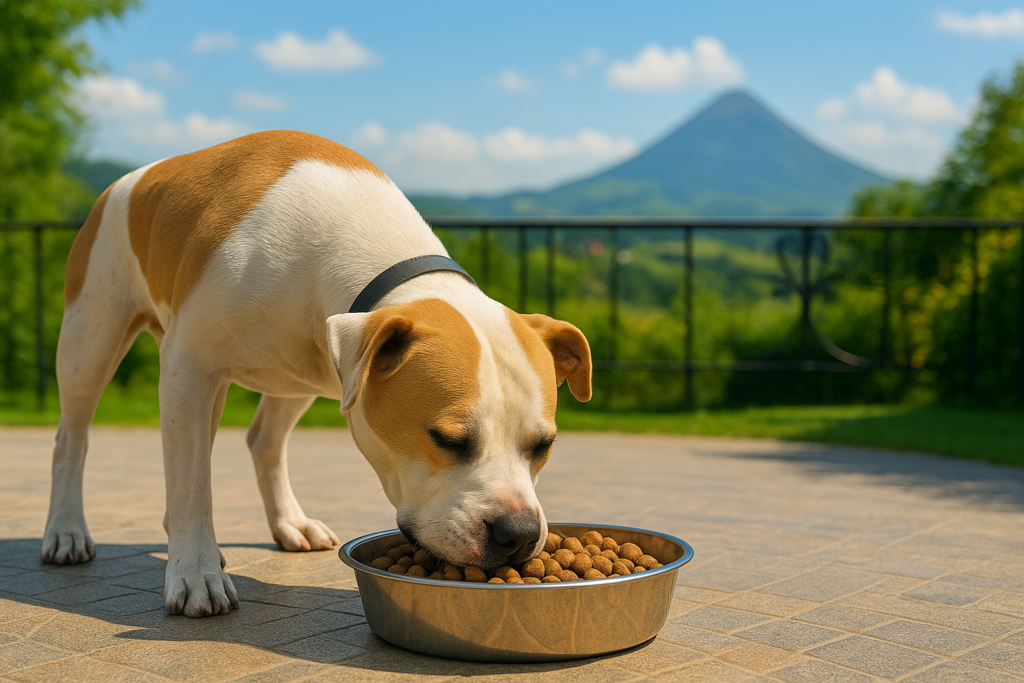
Feeding your dog the right amount is one of the most important parts of keeping them healthy, happy, and full of energy. But with so many breeds, ages, and food types, knowing how much to feed can feel confusing — especially for new dog owners.
This simple, beginner-friendly guide breaks everything down clearly.
You’ll learn exactly:
- How much puppies should eat (based on age & size)
- How much adults and seniors need
- How many meals per day
- Examples and easy feeding charts
- Signs your dog is eating too little or too much
No guesswork — just practical, everyday guidance for normal dog owners.
Let’s get started! 🐶🍽️
Affiliate Disclosure: Some links on this page are Amazon affiliate links. As an Amazon Associate I earn from qualifying purchases. This comes at no extra cost to you. We only recommend products we would use for our own dogs.
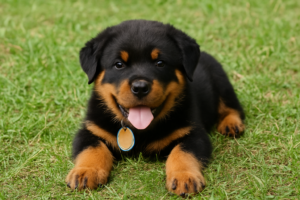
🐾 How Much Should I Feed My Puppy? (Age & Size Guide)
Puppies grow FAST — which means they need more calories, more protein, and more meals per day than adult dogs.
But the amount depends on age + breed size.
Below is the simplest, most beginner-friendly breakdown you can use.
🍼 Puppy Meal Frequency Chart
| Puppy Age | Meals Per Day | Notes |
| 6–12 weeks | 4 meals/day | Very fast growth. Small tummies = frequent meals. |
| 3–6 months | 3 meals/day | Growth stabilizes slightly. Maintain steady nutrition. |
| 6–12 months | 2 meals/day | Transition period. Large breeds may stay on 3 meals. |
Recommended Portion Helper: ¾-Cup Stainless Steel Measuring Scoop
If you’re using the cup-based charts in this guide, a marked scoop makes portions faster and more consistent (especially when you’re adjusting by small amounts).
Why it’s helpful in this feeding guide:
- Makes it easier to repeat the same portion each meal (less “guessing” or accidental heaping)
- Works well for common daily totals (example: 2 level scoops = 1.5 cups)
- Easy to rinse and keep near your food bin so measuring becomes automatic
Quick tip: Use level scoops (not rounded). If your dog’s weight is changing, adjust gradually and keep portions consistent for 7–10 days before changing again.
👉 Check the current price of this ¾-cup stainless steel measuring scoop on Amazon here.
If you want the full breakdown of our feeding tools? See: “Nutrition Basics for Dogs”)
🐶 How Much Should Puppies Eat Based on Size?
📏 Feeding Amounts by Puppy Size
| Puppy Size | Adult Weight | Cups of Food Per Day* |
|---|---|---|
| Toy (under 12 lbs) | 3–12 lbs | ½ – 1 cup/day |
| Small (12–25 lbs) | 12–25 lbs | 1 – 1.5 cups/day |
| Medium (25–50 lbs) | 25–50 lbs | 1.5 – 2.5 cups/day |
| Large (50–90 lbs) | 50–90 lbs | 2.5 – 4 cups/day |
| Giant (90+ lbs) | 90+ lbs | 4 – 6 cups/day |
*These numbers are general guidelines. Always adjust based on your dog’s energy level, body condition, and vet recommendations.
🐕 How to Know If Your Puppy Is Eating the Right Amount
✔️ Signs Your Puppy Is Eating Enough
- Steady, healthy weight gain
- Bright eyes and shiny coat
- Energetic but not hyperactive
- Ribs can be felt but not seen
❌ Signs Your Puppy Needs More Food
- Rib bones clearly visible
- Low energy
- Whining or searching for food after meals
❌ Signs Your Puppy Is Eating Too Much
- Rapid weight gain
- Loose stool
- Fatigue after meals
🍽️ How Much Should I Feed My Adult Dog? (Age, Size & Activity Guide)
💡 Adult dogs usually need fewer calories than puppies — but the exact amount depends on size, breed, and activity level.
Adult dogs fall into 3 main activity groups:
- Low activity → couch potatoes, older dogs, apartment living
- Moderate activity → normal walks, occasional play
- High activity → working breeds, hikers, runners
Below is a clear, beginner-friendly guide.
🍽️ Adult Dog Meal Frequency Chart
| Dog Type | Meals Per Day | Notes |
|---|---|---|
| Small breeds (under 20 lbs) | 2 meals/day | Fast metabolism, benefit from consistent meals |
| Medium breeds (20–50 lbs) | 2 meals/day | Standard adult schedule |
| Large breeds (50–90 lbs) | 2 meals/day | Helps avoid bloat and maintain steady energy |
| Giant breeds (90+ lbs) | 2 meals/day | Slower digestion, steady intake is best |
🍖 How Much Should Adult Dogs Eat Based on Size?
📌 General guidelines assuming normal activity.
| Adult Dog Size | Weight Range | Cups of Food Per Day* |
|---|---|---|
| Toy | 5–12 lbs | ½ – 1 cup/day |
| Small | 12–25 lbs | 1 – 1.5 cups/day |
| Medium | 25–50 lbs | 1.5 – 2.5 cups/day |
| Large | 50–90 lbs | 2.5 – 4 cups/day |
| Giant | 90+ lbs | 4 – 6 cups/day |
Always check your specific dog food label — calorie density varies a lot.
⚡ Activity Level Adjustments
Because activity changes calorie needs, adjust portions like this:
Low-Energy / Indoor Dogs
Decrease total daily food amount by 10–20%
Signs: Sleeps a lot, slow walks, low play drive.
Normal-Energy Dogs
Feed the standard chart above.
High-Energy Dogs
Increase total daily food amount by 15–30%
Perfect for: working breeds, herders, hiking dogs.
✔ Signs Your Adult Dog Is Eating Enough
- Steady, healthy weight
- Good muscle tone
- Shiny coat
- Good energy levels
- Ribs can be felt but not seen
❌ Signs Your Dog Needs More Food
- Visible ribs
- Low stamina
- Lethargy
- Begging or scavenging constantly
❌ Signs Your Dog Is Eating Too Much
- Rapid weight gain
- Soft stool
- Low energy after meals
- Difficulty feeling ribs
🧓🐾 How Much Should I Feed My Senior Dog? (Age, Health & Activity Guide)
As dogs get older, their metabolism slows down — but their nutritional needs become more important than ever. Seniors need enough calories to maintain muscle but not so much that they gain excess weight.
🔍 Senior dogs generally need:
- Slightly fewer calories
- Higher-quality protein for muscle maintenance
- Easily digestible food
- Joint-support nutrients (omega-3s, glucosamine)
🥣 Senior Dog Meal Frequency Chart
| Senior Dog Size | Meals Per Day | Notes |
|---|---|---|
| Small (<20 lbs) | 2 meals/day | Helps maintain steady energy & digestion |
| Medium (20–50 lbs) | 2 meals/day | Standard senior schedule |
| Large (50–90 lbs) | 2 meals/day | Helps prevent bloating & manage weight |
| Giant (90+ lbs) | 2 meals/day | Supports joint comfort & stable energy |
🍽️ How Much Should Senior Dogs Eat?
(General guideline — always check your dog food label)
| Senior Dog Size | Weight Range | Cups of Food Per Day* |
|---|---|---|
| Toy | 5–12 lbs | ½ – 1 cup/day |
| Small | 12–25 lbs | 1 – 1.25 cups/day |
| Medium | 25–50 lbs | 1.25 – 2 cups/day |
| Large | 50–90 lbs | 2 – 3.5 cups/day |
| Giant | 90+ lbs | 3.5 – 5.5 cups/day |
*Food amounts vary a LOT based on brand & calorie density.
❤️ Signs Your Senior Dog Is Eating Enough
- Maintains a healthy, stable weight
- Normal energy for age
- Good mobility
- Normal stool
- Ribs can be felt but not visible
⚠️ Signs Your Senior Dog Needs More Food
- Weight loss
- Visible ribs
- Low energy
- Muscle loss
- Restlessness or begging after meals
❌ Signs Your Senior Dog Is Eating Too Much
- Weight gain
- Heavy breathing during light activity
- Soft stool
- Very low energy
- Fat deposits around ribs or hips
🐾 How to Adjust Food Amount for Breed, Weight & Lifestyle
🐕🦺 Breed-Specific Feeding Adjustments
(Some breeds burn energy faster, some slower.)
High-energy / working breeds (Border Collie, Aussie, German Shepherd, Husky):
- May need 10–25% more food
- Very active, high metabolism
Bulldogs, Pugs, Basset Hounds, Dachshunds (low-energy breeds):
- May need 10–20% less food
- Tend to gain weight easily
Giant breeds (Great Dane, Mastiff, Saint Bernard):
- Grow slowly — avoid overfeeding
- Feed measured portions, prevent joint stress
🏃 Lifestyle Adjustments
Very active dogs (hiking, runners, farms):
- Add 15–30% more food
- Increase protein
Indoor / low-movement dogs:
- Reduce portions 10–20%
- Choose lower-calorie food formulas
Recommended Accuracy Helper: OXO Good Grips 11-Pound Kitchen Scale (Pull-Out Display)
If you’re adjusting your dog’s portions (up or down), weighing food can be more consistent than eyeballing cups—especially when kibble pieces are large or uneven.
Why we like it for everyday feeding:
- Pull-out display so the numbers stay visible even when a bowl is on the scale
- Tare function (zero out the bowl first) so you only weigh the food
- Easy-to-wipe surface for quick cleanup
Quick tip: Place the empty bowl on the scale → press Tare → add kibble until you hit your target amount.
👉 Check the current price of the OXO Good Grips 11-pound kitchen scale on Amazon here.
🍽️ How to Transition Food Safely
Switching to a new food? Follow this:
- Day 1–2: 75% old food + 25% new
- Day 3–4: 50% old + 50% new
- Day 5–6: 25% old + 75% new
- Day 7: 100% new food
This prevents stomach upset.
⚖️ Simple Weight Check Method (BEGINNER-FRIENDLY)
Use this every week:
- See ribs? Feed more.
- Can’t feel ribs at all? Feed less.
- Can feel ribs but not SEE them? Perfect.
📝 When to Call a Vet
Contact a vet if you notice:
- Sudden weight loss or gain
- Vomiting or diarrhea after meals
- Refusing to eat
- Drinking extreme amounts of water
- Lethargy or weakness
❤️ Final Thoughts: Feeding Your Dog the Right Way
Finding the perfect amount to feed your dog doesn’t have to be confusing.
Start with the charts in this guide, watch your dog’s weight and energy, and adjust slowly as needed.
A healthy dog is:
✔ energetic
✔ maintains a stable weight
✔ has a shiny coat
✔ has normal stool
Your dog’s needs may change with age, activity, breed, and health — so keep an eye on them, and you’ll always make the right choice.
💬 Need Help Picking the Right Food for Your Dog?
Feeding your dog doesn’t have to be confusing — and you don’t have to figure everything out alone.
On The Dog Care Hub, you’ll soon find simple, beginner-friendly guides to help you choose the best food for your dog’s age, size, and lifestyle.
Here are some helpful next steps (coming soon):
- 🐶 Best Foods for Puppies
- 🍗 Best Foods for Adult Dogs
- 🧓 Best Foods for Senior Dogs
- 🌱 Healthy Homemade Dog Food Options
- 🍎 Safe Human Foods Dogs Can Eat
- ⚠️ Foods to Avoid (Vet-Approved List)
Stay tuned — we’re adding new guides every week to help you raise a happy, healthy dog with confidence. 💛🐾
🧩 Quick Feeding Questions
How can I tell if my dog is eating roughly the right amount?
Look at your dog’s body rather than only the scoop. When you gently run your hands along their sides, you should feel the ribs under a light layer of padding – not sticking out, but not buried either. From above, most dogs have a slight “waist” behind the ribs. If your dog is losing their waist or looking bony, it’s a sign to talk with your vet about adjusting the daily food amount.
What if my dog acts starving all the time?
Some dogs are very excited about food no matter how much they’ve eaten. If your vet is happy with your dog’s weight and overall health, you don’t necessarily need to add more food. Instead, you can:
- Split the same daily amount into extra meals
- Use slow-feed bowls so meals last longer
- Offer part of their food in puzzle toys or training sessions
This gives your dog more “food moments” without overfeeding.
Optional for fast eaters: Slow Feeder Bowl (stainless steel)
If your dog tends to inhale meals, a slow feeder can help reduce gulping and make mealtimes calmer. We break down what to look for (and who it’s best for) in our Nutrition Basics for Dogs tools section.
👉 See the full feeding tools list: Nutrition Basics for Dogs
👉 Check the current price of our stainless-steel slow feeder pick on Amazon here.
Can I mix wet and dry food in the same day?
Yes, many dogs do well with a mix of dry kibble and wet food. The key is to keep the total daily calories appropriate for your dog’s size, age, and activity level. If you’re adding wet food, reduce the dry portion a little so the overall amount stays balanced. Introduce any change slowly over several days so your dog’s stomach has time to adjust.
How often should I change my dog’s food?
If your dog is healthy, has good stools, and your vet is satisfied with their weight, there’s usually no need to change food frequently. Consider a change if your vet suggests it, if there’s a clear medical reason (like allergies or sensitivities), or when your dog moves into a new life stage (puppy → adult → senior). Whenever you do switch, make the change gradual by mixing the new food with the old over about a week.
The Dog Care Hub Editorial Team
The Dog Care Hub Editorial Team is a group of passionate dog lovers focused on making everyday dog care simple and beginner-friendly. We combine real-life experience with information from trusted veterinary sources to create clear, gentle guidance for new and experienced dog owners. Every article is reviewed for accuracy, safety, and ease of understanding so you can feel more confident caring for your dog.
🎁 Want the Calm Start Starter Pack (Free PDF)?
Get the free download in one click.
👉 Want to support the site? Shop our Dog Care Hub merch (hoodies, mugs, and more).
🌟 Want a Little Extra Guidance for Your Dog’s Everyday Care?
If you’re sorting through feeding tips, routines, or questions about what your dog truly needs, you’re already on the right path. A few clear steps can make your day easier — and help your dog feel secure and understood.
Here are simple places you can explore next:
- Food & Nutrition: Learn how to choose meals that keep your dog energized and thriving
- Home Comfort: create a calm, safe space where your dog can settle and rest
- Exercise & Play: find activities that match your dog’s age and personality
- Behavior Basics: understand the small signals that guide better communication between you and your dog
Whenever you’re unsure, you can always visit the Get In Touch page — I’m here to help you build steady, caring routines that work for you and your dog.