

“Easy tips to make your Dog’s home cozy, safe, and comfortable every day.”
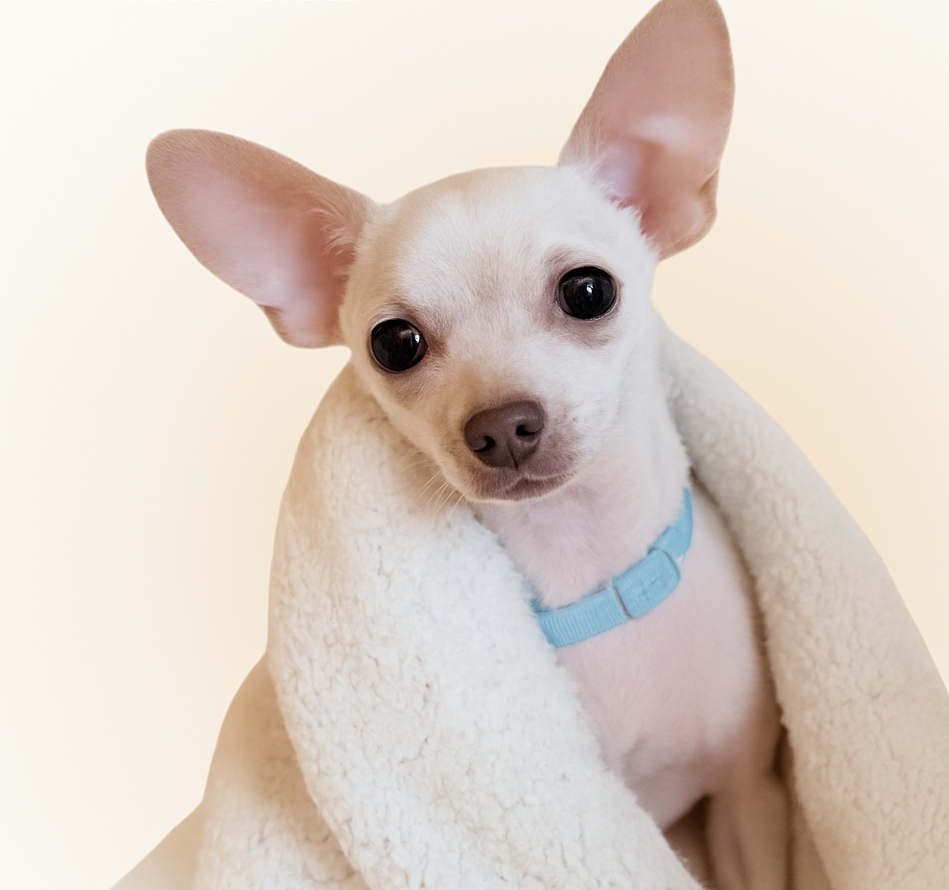
A dog’s behavior, health, and emotional balance are deeply influenced by their environment.
Home is where dogs rest, recharge, and feel secure — or where stress quietly builds if their needs aren’t met.
This page helps you understand:
- How home setup affects comfort
- Why routine matters
- How rest and predictability support behavior
- How small changes at home can make a big difference
This is not about training or exercise.
It’s about creating a space where your dog can truly relax.
🛏️ Why Comfort Matters More Than You Think
Dogs don’t “switch off” stress automatically.
They rely on their environment to tell them when it’s safe to relax.
A comfortable home supports:
- Better sleep
- Easier transitions
- Emotional stability
- Reduced anxiety
- Calmer daily behavior
When dogs feel secure at home, many challenges become easier to manage.
⏰ The Power of Routine
Dogs thrive on predictability.
A consistent daily routine helps dogs understand:
- When to rest
- When activity happens
- What to expect next
Routine doesn’t mean strict schedules — it means reliable patterns.
Even small consistencies, like similar meal times or bedtime routines, can help dogs settle more easily.
💤 Rest, Sleep, and Downtime
Rest is not laziness — it’s essential.
Dogs need:
- Quiet time
- Undisturbed sleep
- Breaks from stimulation
Overtired dogs may appear:
- Hyper
- Restless
- Irritable
- Unable to settle
Creating calm spaces and respecting rest periods is just as important as activity.
🏠 Creating a Safe, Comfortable Environment
Comfortable environments often include:
- A dedicated resting area
- Familiar smells
- Predictable household sounds
- Clear boundaries
Dogs don’t need perfection — they need consistency and safety.
Small changes, like reducing noise or giving your dog a quiet corner, can significantly improve comfort.
🚪 Transitions, Change, and Adjustment
Changes at home can be challenging for dogs, including:
- Moving
- New schedules
- New people or pets
- Being left alone
When changes happen, maintaining routine and comfort becomes even more important.
If your dog struggles during alone time, you may find this helpful:
➡️ Prevent Separation Anxiety: Gentle Steps That Help
🧠 How Home Comfort Supports Behavior
Many behaviors that seem like “problems” are actually signs of discomfort or insecurity at home.
Before assuming a dog needs:
- More training
- More exercise
It’s worth asking:
“Does my dog feel calm and safe at home?”
For a broader understanding of how environment affects behavior, explore:
➡️ Behavior Basics: Understanding Your Dog’s Actions & Signals
📚 Explore Home & Comfort Topics in More Detail
Use these guides to build a calm, supportive daily environment:
Each guide focuses on one area so you can improve things step by step.
🧩 Common Home Comfort Questions
How do I know if my dog actually feels relaxed at home?
A relaxed dog will usually choose to rest on their own, stretch out or curl up, and breathe slowly. They may glance up when something happens but don’t stay on high alert. If your dog paces, startles at every noise, or rarely lies down near you, they may need more support to feel safe.
Is it okay if my dog sleeps in different spots instead of one bed?
Yes. Many dogs like to rotate between a few favorite places depending on temperature and activity in the house. The key is making sure each spot is safe, comfortable, and away from constant foot traffic so they can truly switch off.
Should I leave background noise on when I’m out?
Soft, steady sounds – like low-volume music or a fan – can help block sudden noises from outside. Very loud TVs or radios, though, can be overstimulating. Aim for gentle background noise that makes the home feel predictable, not busy.
What can I do when something big changes at home?
During moves, schedule changes, or new people/pets, try to keep a few things the same for your dog: feeding routine, walk times when possible, and their main rest area. Offering extra quiet time and familiar scents (their bed, your worn t-shirt) can make the transition feel much easier.
⭐ Final Takeaway
A calm home isn’t about doing more — it’s about creating space to rest, recover, and feel safe.
When dogs feel comfortable in their environment, everything else becomes easier — from behavior to bonding.
This page gives you the foundation.
The guides above help you take the next step when needed.